
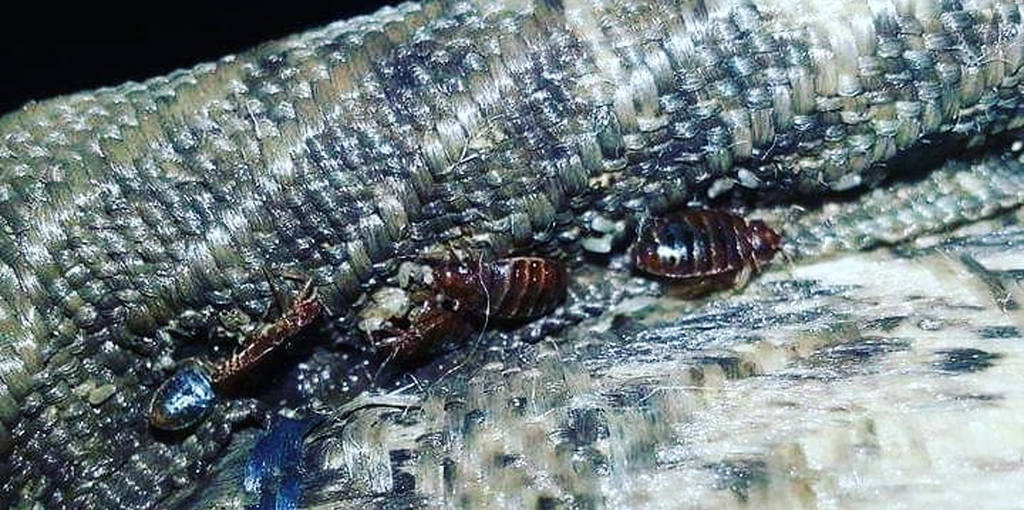
What Do Bed Bugs Look Like?
Bed bugs feed on human blood and are nocturnal. During the day, they hide in the cracks, bed seams, and headboards. The annoying creatures are highly active between midnight and 3 AM. To control bed bugs it is essential to identify them. In this article, we explain how to identify bed bugs, what they look like, and lots more.
How to identify bed bugs?
The bed bugs are the size of an apple seed. Adult bugs are reddish brown and wingless. You can see them with your naked eyes. The bugs are around 0.5 cm long. Like mosquitos, bed bugs also have six legs. You can also identify bed bugs through their excrement. Excretions of the bed bugs are about a ‘dot’ size and are dark, more like a spilt blood spot.
Can I see the bed bugs with the naked eye?
Yes. Like I said before, the bed bugs are reddish brown. But when filled with blood, they are dark brown.
The body of the bed bug is oval. Bed bugs prefer to hide in dark places. So they may go unnoticed unless you scan deep. While checking for bed bugs, keep your eyesight close to the bed. Scan every spot; do it under bright sunlight.
What are the causes of bed bugs?
Bed bugs are more common in wood-based furniture than those made of steel. Wood surfaces hold moisture for a long period.
Any warm and damp places are ideal for the bed bugs to breed and propagate. Bats are the carriers of bed bugs. Moist surfaces attract bed bugs. The bugs prefer dark spots. So if you keep the room dark and damp, you welcome bed bugs.
Always ventilate your bedrooms and living rooms with enough sunlight. If you live in an apartment or a temperate or cold zone, you should probably use room heaters or wood fire and keep your rooms warm. Dry clean your quilts and pillows. If possible, wash them at least once in two or three months.
What is the lifespan of bedbugs?
A bed bug lives ten to twelve months. Though their life span is less, they are great survivors. The problem is they multiply exponentially. Each bed bug lays one to seven eggs a day and the egg-laying process continues for ten days. You do the math!
On average they lay 10 to 70 eggs. This is after one meal. Bed bugs eat once in four to five days. After the meal, the reproducing process starts and runs for ten days. They again come back for more blood after laying eggs. This process continues. Thus, the actual problem lies in their multiplication rate.
While you are eradicating the bed bugs, make sure you don’t leave even a single bed bug. Highly challenging! So it is better to prevent and stay away from them. Once infested, bed bugs are a big headache. It takes immense effort to eradicate them.
What are the feeding habits of bed bugs?
Bed bugs suck blood from human skin. While drinking human blood, these insects inject their saliva into the skin. Allergic reactions and skin irritations occur due to their saliva. In one feeding, the bed bugs gain six times their weight. The annoying creatures like hot, warm, and moist surfaces. They are attracted to carbon dioxide emitted by humans. They prefer dirty places. So keep your rooms clean. Use disinfectants. You may also keep indoor plants in your bedrooms to increase your oxygen supply if you live in a polluted city.
What are the signs and symptoms of bed bug bites?
If you are bit by bed bugs, you will see inflamed spots. These spots are dark in the centre and lighter in the peripheral. The dark spot is spot where the bug pierced through your skin to drink blood. The peripheral inflammation is due to the saliva injected by them. The spots are either in a cluster or arranged in a rough line. You will usually find them in the neck, arms or hands. It is difficult to distinguish between a bed bug bite and a mosquito bite. So, first, spot a bed bug to confirm that you are infected with it.
Do bed bugs spread diseases?
No. There is no scientific evidence for bed bugs spreading disease. They are no harm if treated early. Irritations and rashes go away in a week or so. Ensure you clean your bed and sofa with disinfectant. And make sure there is not a single bed bug left. Else they multiply vociferously.
What is the wise way to identify bed bugs?
Bed bugs are too small to identify. Scan through the crack and crevices to find them. The wise way to identify bed bugs is to look for their physical stain. Bed bugs leave excretion during their return journey towards the hiding spots. So, look for rusty stains or blood spills like small spots. Excreta of the bed bugs are very small. So the spots are not as big as the blood spots. But they do resemble more like them. Probably, the spots are the size of a pencil spot. After you spot a bed bug, you should take immediate action.
Contact a proper furniture chemist and enquire about the insecticides and pesticides that can be used. Not all pesticides are good for humans. Most of them are harmful to pets. So if you have pets at home, be extra careful. After spotting, it is good to disinfect the entire room. You have to clean the drawer joints, cushions, piping, tags on the mattresses, and every nook and corner. It is best to contact bed bug professionals. They dehumidify your rooms and thereby prevent their re-occurrence completely. Bed bugs are so annoying. Rather than acting after their infestation, prevent them. Keep your living space clean and well-ventilated. Wash your curtains and bedspreads often. Use room refreshers. If you have pets, put some extra effort to dust away their hair regularly. Stay safe and healthy! Happy Living!