
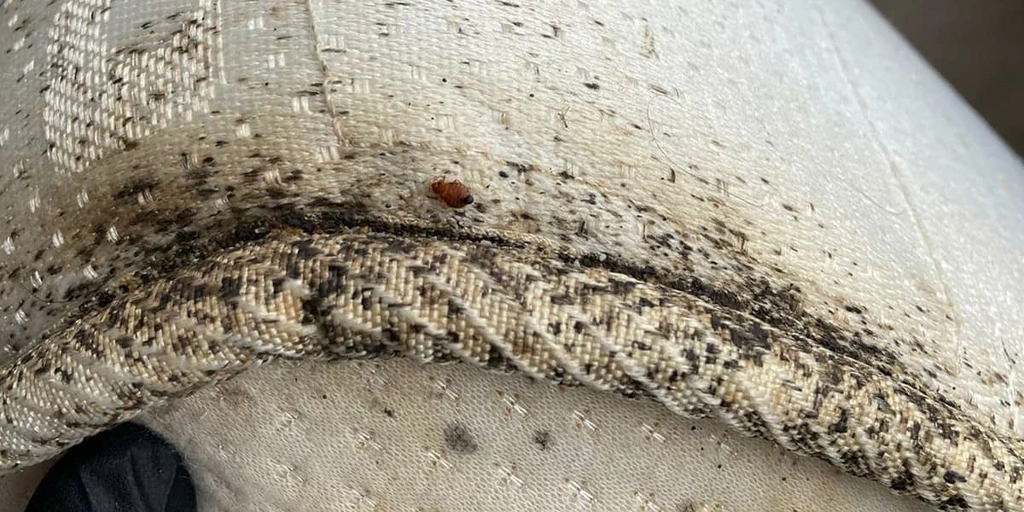
How to get rid of bed bugs?
Bed bugs are annoying and cause irritations and skin rashes. It is essential to get rid of bed bugs. One bed bug can lay ten to seventy eggs after a single meal. And bed bugs are capable of eating six times their body weight. After eating, they reproduce more. Therefore, you must get rid of them completely.
Bed bugs cannot withstand high temperatures. They prefer damp and warm spots. Most of the natural bed bug-removing techniques adapts this tip. The others use pesticides and insecticides to eradicate bed bugs. In this article, we give the different methods to get rid of bed bugs. The first and foremost thing to do while you get rid of bed bugs is to stay patient. Removing bedbugs consumes time and demands extra effort. If you have many bedbugs, getting rid of them is difficult. In such cases, you should call an expert. However, if the numbers are small, follow these steps:
Identify the infected zones.
Find the bugs before they start to reproduce. If they grow in numbers, you need to put in more effort. Start searching for bed bugs.
How to look for bed bugs?
Find the bugs before they start to reproduce. The best way to identify bed bugs is to put the furniture under the hot sun. Bed bugs do not like bright light. As the sun rises, wooden furniture heats up, and the bed bugs cannot tolerate high temperatures. When their hiding spots of beds and tables become hotter and hotter, they start coming out automatically. When they grow in numbers, you need to put in more effort. Start searching for bed bugs.
Flash Light
You should use a flashlight if you live in a closed area like an apartment or in a temperate zone where the climate is cool. You can also use UV light.
Flip the Sheets
Remove bed covers and pillow covers. Dry clean them. Flip your sheets. Flipping will disturb the bugs that are hiding. Now scan the mattress inch by inch. Search through the box springs as well.
Probe the crevices
Use a stick or card to probe through the crevices and cracks. Bed bugs are small (2 mm), so they can easily hole into the gaps. While you probe something into the cracks, they try to flee. You can also use a vacuum. Or tape them tight so they cannot escape the open cracks.
Set Traps
If you do not find a single bed bug even after scanning thoroughly, it does not mean there are no bed bugs in your room. You need to deepen your search. And you can do this by setting up traps. Use bed bug interceptors, carbon dioxide-bed-bug monitors, or glue traps.
Use Interceptors
Bed bug interceptors are one of the best ways to catch bed bugs. Place these interceptors beneath the legs of the bed. The bugs can climb inside the interceptor but not out. The outside walls of the interceptor are rough, and the inside is smooth.
Contain the infestation
After you capture the bugs or identify the infested spot, you should not contain them. One of the best ways to do this is to vacuum over the spot. After vacuuming the spot:
- Seal the contents in an air-tight plastic bag and throw them away.
- Clean your vacuum thoroughly.
- Separate the affected bed sheets and linen.
Dry clean them.
Prepare for bed bug treatment.
Before you start your bed bug treatment, prepare and organize to increase your success rate. First, remove the books, magazines, clothes, and other loosely lying objects on your bed and floor.
- Put them separately.
- Fill the cracks with white cement.
- Seal the electrical outlets.
- Do not leave a single hole open.
- Tape them all.
This way, you ensure no spots are left for the bed bugs to hide. Last but not the least, move your bed at least six inches away from the wall.
Chemical and Non-Chemical treatments
Identifying the bedbugs is the biggest challenge. Rest is a cakewalk. Once you have spotted the bed bugs, you can either use a chemical or a non-chemical method to kill them. Pyrehrin, or pyrethroid, is the most common chemical to kill bedbugs. You can also use Pyrroles. Versions of nicotine, like neonicotinoids, damage the nervous system of bed bugs. Desiccants are chemicals that destroy the protective outer coating of the bugs. If you feel pyrethrins and pyrroles are harmful, you can always choose desiccants and neonicotinoids. Whichever method you choose, keep your pets and kids away.
Prevent Future Bedbugs
Now that you have removed the bedbugs prepare to prevent the infestation in the future. Wash your bed sheets and linen frequently. If you have pets, dust off their hairs on the bed regularly. Do not keep undone laundry. Also, do not leave moisture to accumulate in the room. For instance, you spilled water on the carpet. Use a dryer and dry it immediately. Moist and humid atmosphere welcome the bed bugs. Use white cement to seal the crevices now and then. Also, attend to the furniture cracks and crevices at the earliest. Certain natural products will keep the bedbugs away permanently. They are lavender oil, lemon, cinnamon, blood orange oil, etc. You can use an oil diffuser and keep your rooms fresh.
Tips to keep you safe from bedbugs
Clear the clutter immediately. Use a bedbug cover to cover your box spring and mattress. Wash carpets and curtains often. Deep clean your room at least once a month. When you stay in hotels, check for bedbugs. Sometimes, the bed bugs reach your home from the holiday hotel rooms. Do not leave the damaged sockets and baseboards open for a long time. Fix them immediately. Try to avoid eating on your bed. Food stains leave a fouling smell that invites bedbugs.
We have given you a detailed guide on how to get rid of bed bugs easily. Cleanliness is the first and foremost thing you need to keep in mind. Hope! Our article was helpful!